DEFINING SELF-CARE
WHAT IS
SELF-CARE
As defined by the WHO Consolidated Guidelines on Selff-Care, self-care is the ability of individuals, families, and communities to promote health, prevent disease, maintain health, and cope with illness and disability with or without the support of a healthcare provider.
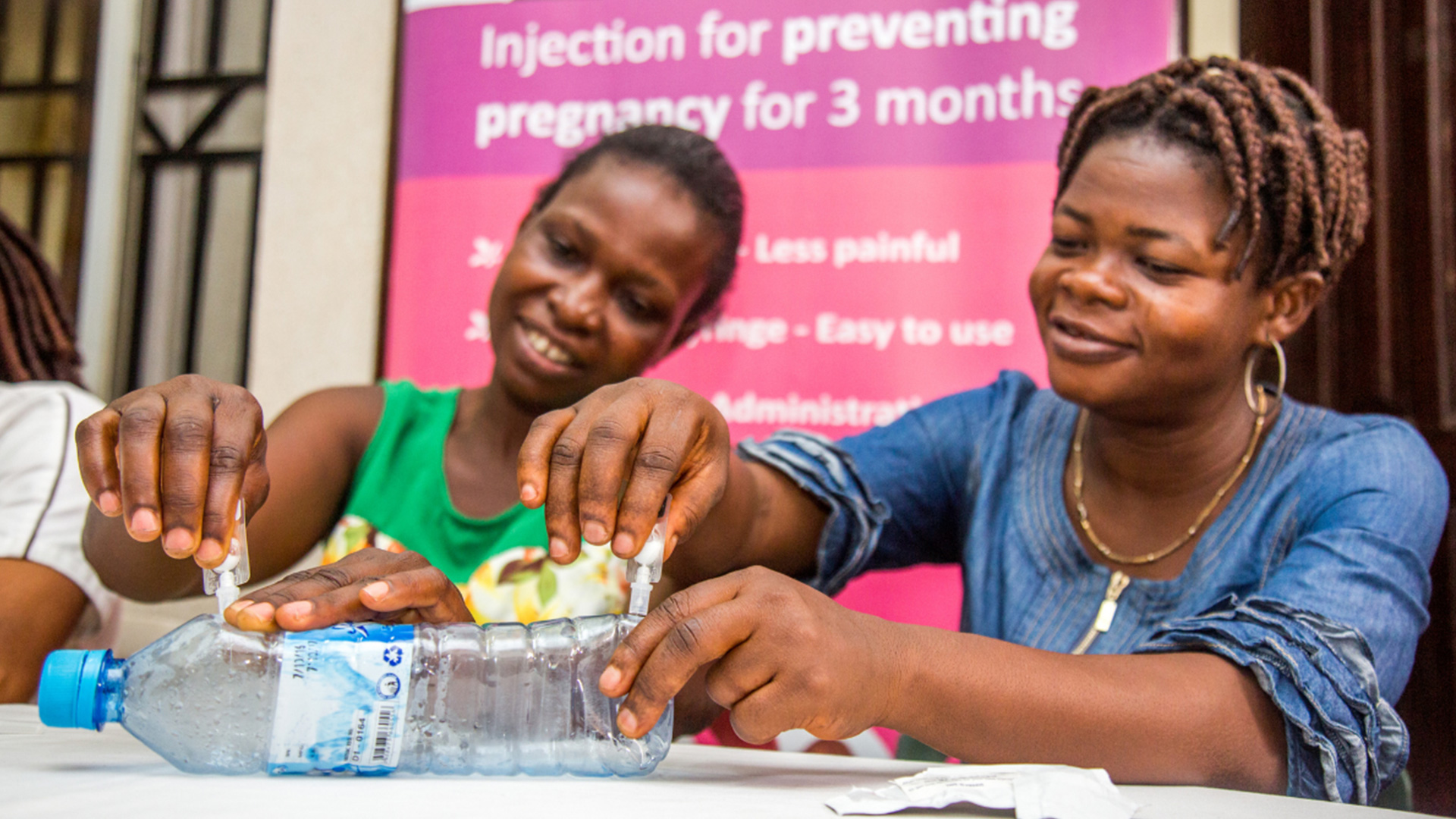
Self-care refers to the holistic activities, practices, and products — medicinal, devices, and nutritive — that people can adopt to improve their health and well-being.

SELF CARE
IN HEALTH
Self-care is not new. For millennia people have been taking measures to prevent disease, promote health and cope with illness and disability with and without a health care provider. While self-care will never replace the need for access to quality healthcare, self-care interventions are among the most promising and exciting new approaches to improve health and well-being—both from a health systems perspective and for people who use these interventions.
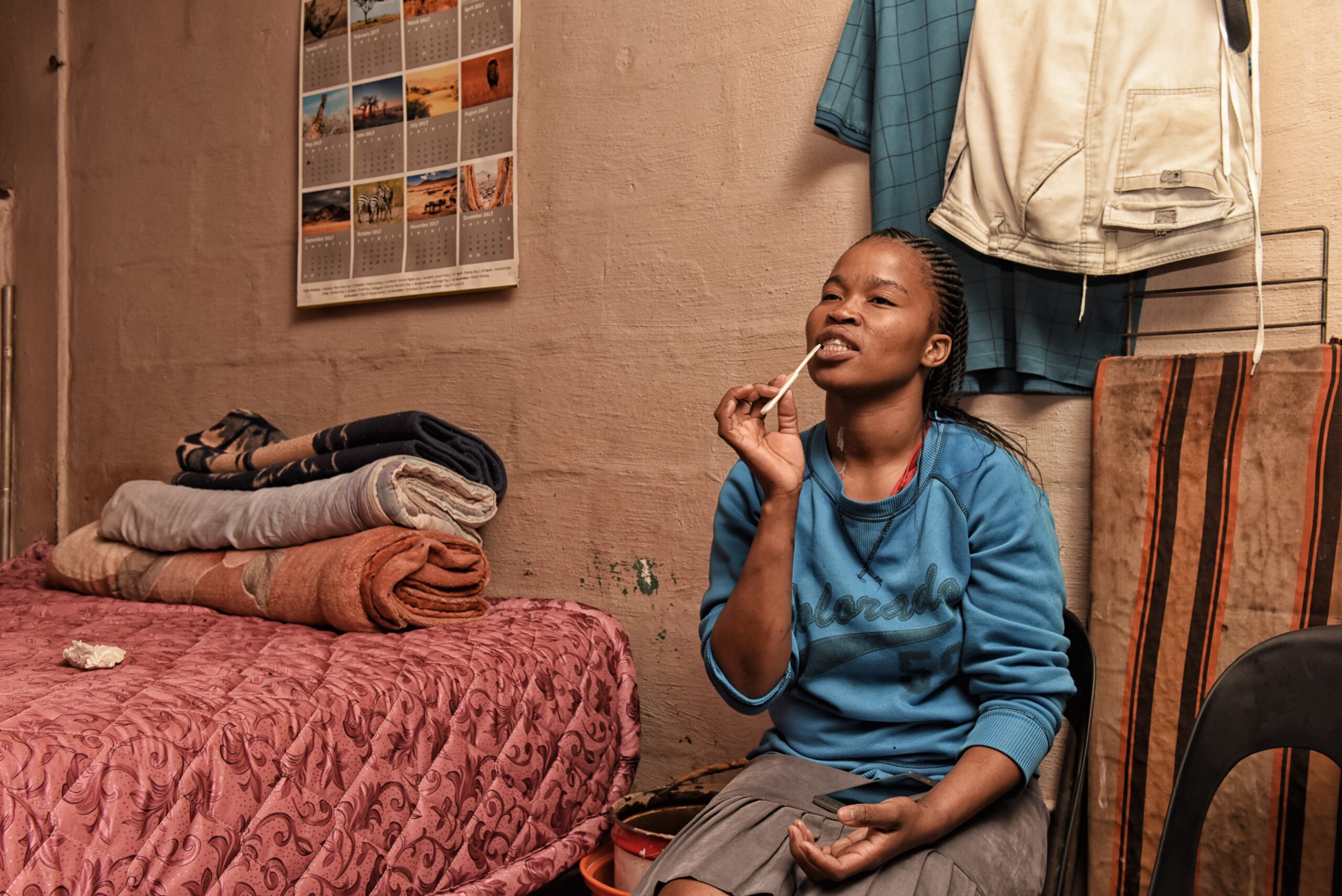
Self-care can encompass many different aspects of care. New diagnostics, devices, drugs, and digital health are transforming the way people interact with the health system and has spotlighted the untapped potential for people to take charge of their own health in ways never before possible.
LATEST
Resources
Dive into these resources to learn more about our work leading up to icfp 2022
RFA for National Self-Care Network Lead in Mozambique
Resource Type:
Language:
2025 State of Self-Care Report
Resource Type:
- Annual Reports, Case Studies
Language:
Costing and Financing Technical Brief
Resource Type:
- Technical Briefs and Reports
Language:
- English
LATEST
Stories
Read our latest blog posts and news
Reaffirming Global Commitments: Reflections on the 70th Commission on the Status of Women
Global Commitments, Local Solutions: Women’s Health at the 70th Commission on the Status of Women
Self-Care Conversations at the 76th ECSA-HC Health Ministers Conference
Self-Care, Gender & Youth Webinar Summary
Self-Care: A Missing Link in Tackling NCDs and Mental Health